
WHAT IS MATCHA? HISTORY, BENEFITS, RECIPE, AND WHY PEOPLE LOVE IT

Updated: Sep 23
Wonder what is matcha? Explore its history, benefits, flavor, caffeine, and how to make it quick and easy! Plus a creative way to enjoy it with your team.

Even when I was young, I always preferred tea over coffee, especially green tea. If someone asked how I liked my tea, my answer was simple: “Just black.”
I’ve also always been the kind of bubble tea drinker who wants to actually taste the tea. Whether it's 100%, 50%, or 25% sweetness, I'll usually choose the latter because I don't want the sweetener to completely cover the flavor.
That love for tea became even more interesting when I visited Thailand. I discovered Cha Yen, the country's famous Thai iced tea, but I was equally intrigued by Cha Keow, or Thai green tea. Its bright, almost neon color and distinct aroma immediately caught my attention. One sip, and I knew I'd be ordering it again.
Then came matcha.
I had seen it everywhere, from coffee shops and grocery shelves to desserts and social media. For a while, I assumed it was simply another type of green tea. Then I learned how different it actually is. Naturally, as someone who already loved green tea, I had to try it. And I quickly understood the hype.
So, what is matcha, exactly? Where did it come from, what does it taste like, and why has this vibrant green tea become such a popular alternative to coffee?
Let's get into it.
What is Matcha?
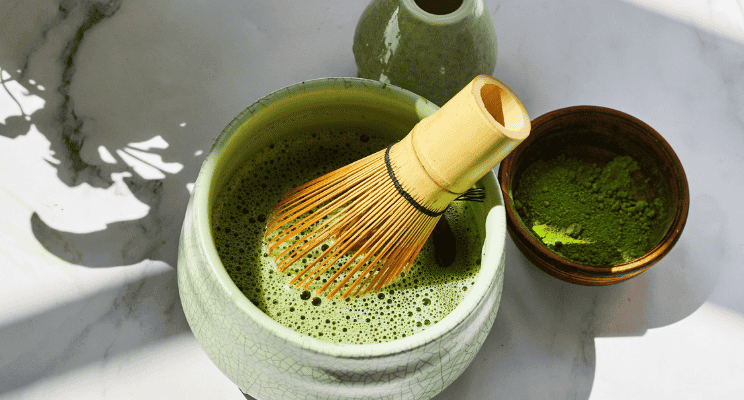
Matcha is a finely ground powdered green tea made from specially cultivated tea leaves. Like other true teas, it comes from Camellia sinensis, the same plant used to produce green, black, oolong, and white tea.
What makes matcha different is how it is grown and prepared.
The plants used for matcha are shaded before harvest. The harvested leaves are processed into tencha, with stems and veins removed, before being ground into an extremely fine powder.
That powder is then whisked directly into water. Unlike regular steeped green tea, where you drink an infusion and discard the leaves, drinking matcha means consuming the powdered tea leaf itself.
Green Tea vs Matcha: What's the Difference?
Green Tea | Matcha |
Leaves are steeped in water | Powder is whisked into water |
Leaves are removed after brewing | The powdered leaf is consumed |
Usually lighter in color | Vibrant green |
Often lighter in flavor | Richer, creamier and more umami-forward |
The vivid green color comes partly from the shading used during cultivation, which increases chlorophyll and influences the tea's chemical composition.
In short, matcha is green tea, but the way it is grown, processed, and consumed makes the experience very different.
The History of Matcha: From China to Japanese Tea Culture
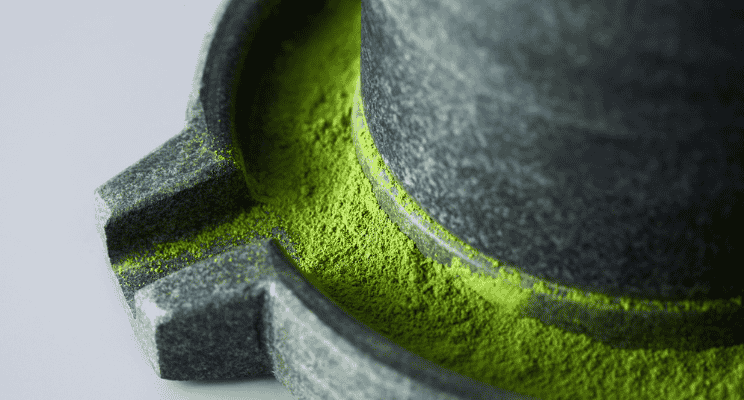
Today's matcha latte may look very modern, but powdered tea has a much older story.
The early development of matcha took place in China during the Tang Dynasty, between the 7th and 10th centuries. Tea was compressed into bricks, which made it easier to store and transport. When people wanted to prepare it, the tea could be broken down into a powder and mixed with water.
This style of preparation became particularly popular during the Song Dynasty, which followed from the 10th to the 13th century. Tea culture continued to develop, and powdered tea eventually found its way across the sea to Japan.
One important figure in that transition was Eisai, a Japanese Buddhist monk who spent time studying Buddhism in China. When he returned to Japan in 1191, he brought tea seeds and knowledge of tea preparation with him. Tea cultivation began to develop in Japan, particularly around areas such as Kyoto and Uji.
Tea was initially associated with Buddhist monks and Japan's upper social classes. During the Kamakura period, its limited availability also made it a luxury.
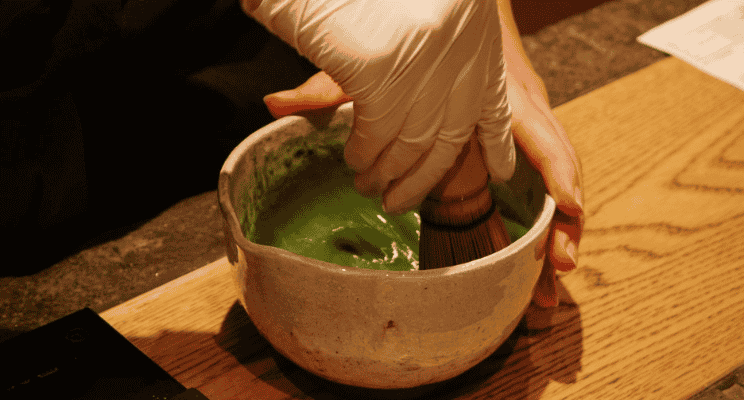
As tea became more established in Japanese society, the way it was prepared became increasingly intentional. These traditions eventually contributed to the development of the Japanese tea ceremony, where matcha became central to a carefully considered experience of hospitality and connection.
Tea cultivation also changed over time. During the Muromachi period (1336–1573), farmers began experimenting with growing tea plants under shade before harvesting. This technique became an important part of producing high-quality tea leaves for matcha and contributes to the characteristics that make matcha so visually and flavorfully distinctive.
So although matcha has become a familiar ingredient in modern cafés, desserts, and social media feeds, its history reaches back nearly a thousand years and reflects centuries of tea culture across China and Japan.
Matcha and the Japanese Tea Ceremony
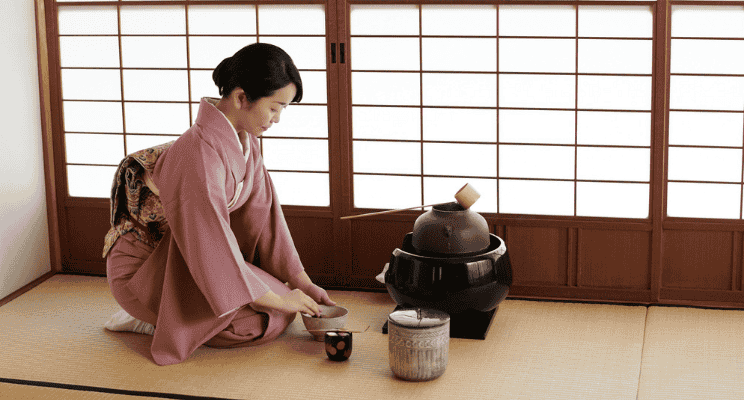
The Japanese tea ceremony, also known as chanoyu, sado, or chado, is about more than drinking tea.
By the 1500s, another major shift was taking place. Murata Jukō, a Zen Buddhist student and tea practitioner, helped bring together different aspects of tea practice into a more deliberate and unified approach. Rather than treating tea simply as a beverage, this tradition placed greater emphasis on the setting, preparation, utensils, hospitality, and interaction between host and guests.
The development of chanoyu continued through influential tea masters, most notably Sen no Rikyū. He became one of the most influential figures in Japanese tea history and helped shape the principles and aesthetics associated with the ceremony.
Four ideas are commonly associated with the tea tradition he helped define:
Harmony (wa)
Respect (kei)
Purity (sei)
Tranquility (jaku)
The Japanese tea ceremony means, “The Way of Tea.” And that name says a lot about the tradition. Tea is not merely the focus of the ceremony. It becomes a way of practicing attentiveness, hospitality, and connection.
Why Do People Love Matcha?
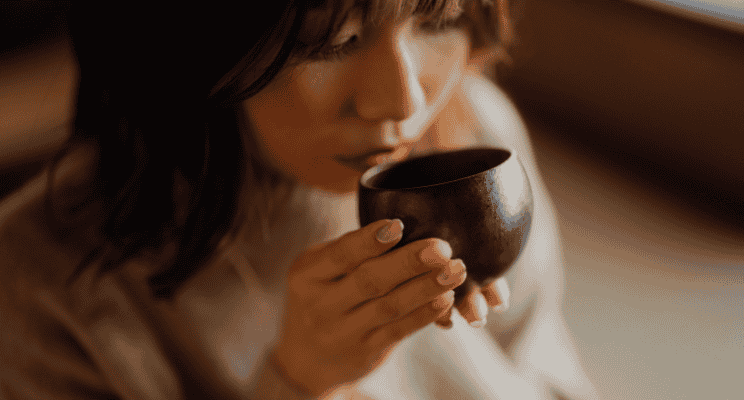
There isn't one reason matcha has become so popular. For many people, including myself, it's the combination of flavor, ritual, caffeine, versatility, and experience!
1. The Flavor
Matcha has a flavor profile that is difficult to mistake for ordinary green tea.
Depending on its quality and preparation, it can taste:
Earthy and vegetal
Rich in umami
Slightly bitter
Creamy when whisked
Subtly sweet
That complexity appeals to people who enjoy flavors that aren't simply sweet or mild.
2. The Wellness Moment
Matcha can also turn a quick drink into a small pause in your day.
Sifting, whisking, and preparing your drink gives you a few intentional minutes to slow down and enjoy the process.
3. The Caffeine
Matcha contains caffeine because it comes from Camellia sinensis. Its caffeine content can vary depending on factors such as the tea variety, cultivation conditions, amount used, and preparation.
That makes matcha an appealing alternative for people who want a caffeinated drink without reaching for another cup of coffee.
Matcha vs. Coffee: Which Has More Caffeine?
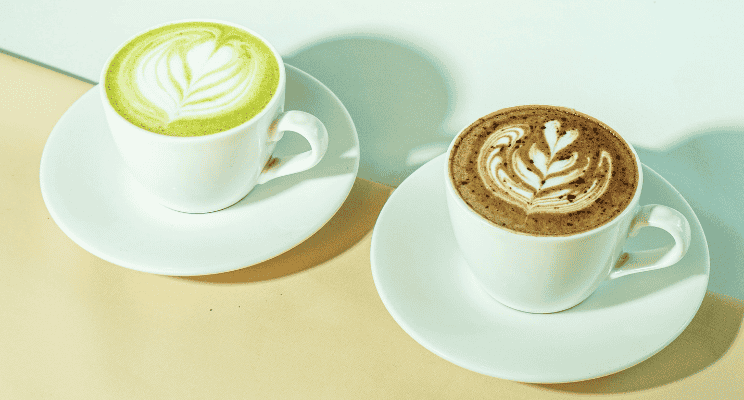
If you're considering switching from coffee to matcha, caffeine is probably one of the first things you'll wonder about.
In general, coffee contains more caffeine per typical serving than matcha. An 8-ounce brewed coffee commonly contains around 80–100 mg of caffeine, while a serving of matcha made with about 2 grams of powder may provide roughly 35–45 mg. The exact amount can vary considerably depending on the coffee beans, brewing method, matcha amount, and product.
Drink | Approximate Caffeine* | What to Know |
Brewed coffee, 8 oz | ~80–100 mg | Typically higher caffeine per serving |
Matcha, 2 g serving | ~60-80 mg | Usually less caffeine, but you consume the powdered tea leaf |
4. The Versatility
Matcha doesn't have to stay in a tea bowl.
You can find it in:
Matcha lattes
Smoothies
Ice cream
Cakes and cookies
Energy bites
Breakfast recipes
Cocktails and mocktails
This versatility has helped turn matcha from a traditional beverage into an exquisite modern food ingredient!
5. The Ritual & Experience
Matcha is also something you can make and share.
Whisking matcha together creates an easy opportunity to talk, learn, experiment, and enjoy something new. That's part of what makes it a natural fit for food-based team building and cultural experiences.
What Does Matcha Taste Like?
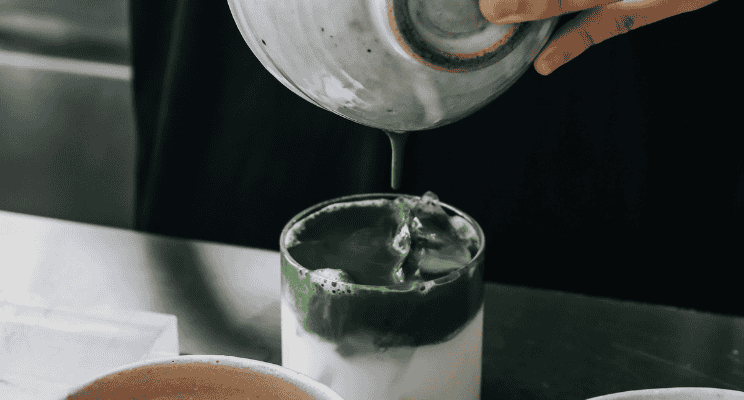
If you're trying matcha for the first time, don't expect it to taste exactly like brewed green tea.
Matcha is typically more concentrated, with earthy and vegetal notes balanced by umami. Quality and preparation can make a noticeable difference. A well-prepared cup can have a smooth, creamy texture, while poorly prepared matcha may taste harsh or overly bitter.
Why Some Matcha Tastes Bitter
Several factors can affect bitterness:
Water temperature: Boiling water can make the flavor harsher.
Too much powder: More isn't always better.
Quality: Different matcha products have different flavor profiles.
Preparation: Poorly sifted or whisked powder can create a gritty drink.
Concentration: Using too much powder with too little water can overpower the flavor.
Matcha Benefits: What Does the Research Actually Say?

Matcha contains several compounds researchers have studied, including catechins, EGCG, L-theanine, caffeine, and other polyphenols. Reviews of matcha's composition highlight these compounds as key components of the tea. A peer-reviewed review identifies catechins, L-theanine, caffeine and other compounds as important components of matcha.
Antioxidants and Polyphenols
Matcha contains catechins, a type of polyphenol with antioxidant properties. One of the best-known is EGCG, or epigallocatechin gallate.
Research has identified matcha as a concentrated source of these compounds, but it's important to distinguish between promising research and proven health outcomes.
Matcha, Caffeine and Focus
Matcha contains both caffeine and L-theanine, an amino acid naturally found in tea.
A 2025 systematic review and meta-analysis of randomized controlled trials found that theanine combined with caffeine may produce small-to-moderate improvements in some measures of attention and mood. However, the researchers also noted uncertainty and called for more research involving actual tea beverages.
So while matcha can certainly be part of an enjoyable morning or afternoon routine, it's better viewed as a caffeinated tea with interesting compounds rather than a guaranteed focus or productivity solution.
What Matcha Can't Do
Matcha isn't a miracle weight-loss drink.
Although green tea and its compounds have been studied for weight management and other potential benefits, the evidence is not strong enough to support many of the sweeping health claims found online. The National Center for Complementary and Integrative Health notes that evidence for many green tea health claims remains inconclusive.
More matcha isn't necessarily better, either. It still contains caffeine, and individual responses can vary.
Is Matcha Safe for Everyone?
For most adults, drinking green tea as a beverage has not raised major safety concerns, but matcha does contain caffeine. People who are sensitive to caffeine may want to limit their intake or avoid drinking it close to bedtime.
The FDA cites 400 mg of caffeine per day as an amount not generally associated with negative effects for most adults, while noting that sensitivity varies. Pregnancy, breastfeeding, medications, and individual health circumstances can change what is appropriate.
If you're pregnant, breastfeeding, taking medication, or concerned about caffeine, check with a healthcare professional about your individual needs.
Beginner Matcha Mistakes to Avoid
Making matcha at home doesn't have to be complicated. Avoid these common mistakes:
Skipping the sifting: It helps prevent clumps.
Using too much powder: Start with a teaspoon.
Using boiling water: Hot, but not boiling, water generally produces a smoother flavor. 158°F to 176°F (70°C to 80°C)
Not whisking thoroughly: Use quick back-and-forth movements with a bamboo whisk.
Expecting regular green tea flavor: Matcha is richer and more concentrated.
Adding lots of sweetener immediately: Taste it first.
Using the wrong matcha for the recipe: Higher-quality ceremonial matcha is generally intended for drinking, while culinary matcha is designed for cooking and baking.
Matcha Types at a Glance
Type | Typical Quality | Flavor Profile | Appearance | Best Use |
Ceremonial | High | Smooth, umami-rich, naturally sweet, low bitterness | Bright, vivid green and very fine | Drinking with water, traditional-style preparation |
Premium | High to very high, depending on producer | Balanced, smooth, fresh, noticeable umami with some bitterness | Bright green, fine and vibrant | Everyday drinking, premium lattes, iced matcha |
Latte / Barista | Medium to high | Fuller, more assertive matcha flavor, balanced bitterness | Bright green and designed to hold its color when diluted | Matcha lattes, iced drinks, smoothies |
Culinary | Medium, optimized for cooking | Stronger, more vegetal and bitter | Green, sometimes less vibrant than drinking grades | Baking, desserts, sauces, smoothie |
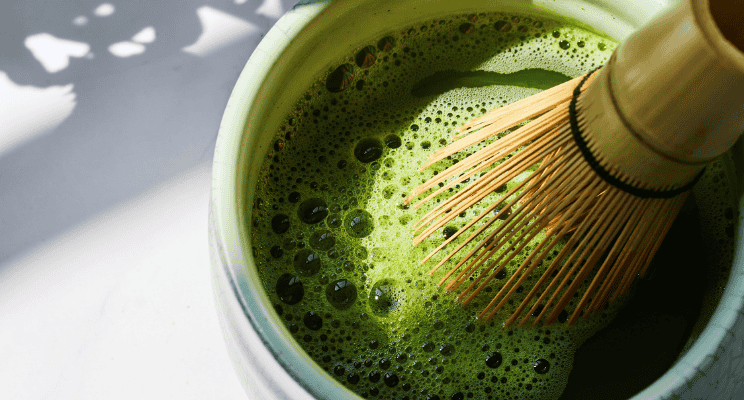
How to Make The Perfect Matcha Latte at Home by Kits by Food Craft
Guests to Provide:
Milk of Choice (Dairy or Plant-based)
Sweetener of Choice
Clear Glass
Small Bowl or Matcha Bowl
Paper Towels
Small Mesh Strainer
Ice (optional)
Thermometer (optional)
Ingredients:
2 teaspoons Matcha Powder
2 tbsp Hot Water
½ cup Milk of Choice
½ tsp Sweetener of Choice
8 pcs Ice
Procedure:
1. Place the small mesh strainer over your bowl or cup and sift in the matcha powder.
2. Add the hot water (not boiling) to your bowl or cup.
3. Using the bamboo whisk, whisk in a quick zigzag “M” motion until smooth and slightly frothy.
4. Add the sweetener and whisk to combine.
5. Fill your glass with ice.
6. Pour in the milk of your choice.
7. Pour the whisked matcha over the milk and ice.
8. Stir, sip, and enjoy your iced matcha latte!
Matcha, Whisk & Charm: A Hands-On Team Building Experience
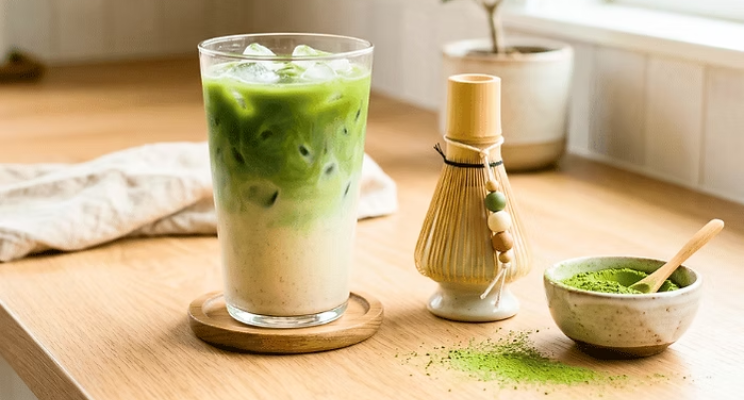
What happens when you turn a cup of matcha into a shared experience?
That's the idea behind Matcha, Whisk & Charm, a hands-on experience from Kits by Food Craft that brings together matcha, creativity, and connection.
Participants explore the preparation and cultural context of matcha, learn how to make a matcha latte using traditional tools, and practice whisking with a bamboo whisk. They also create a personalized charm for their whisk, giving them a small keepsake to take away from the experience.
A Cultural Team Building Experience
Matcha can be easy to reduce to a trendy green drink. A more meaningful experience starts with context.
Learning where matcha comes from, how it is traditionally prepared, and why it holds a place in Japanese culture gives participants an opportunity to approach the experience with curiosity and appreciation.
That's an important distinction for cultural team building. The goal isn't simply to recreate a tradition for entertainment. It's to learn about the culture behind the food or drink while creating space for genuine conversation and shared discovery.
Why Matcha Works for Team Building
A hands-on activity gives people something to talk about beyond work.
Participants can:
Compare their matcha preferences
Learn a new preparation technique
Get creative with their personalized charms
Share a drink together
Discover something new about Japanese tea culture
Step away from the usual workday routine
For remote teams, activities like this can also provide a more natural alternative to another meeting or forced icebreaker.
If you're looking for virtual team building activities or corporate team building activities that combine food, culture, and creativity, matcha offers plenty of room for connection.
Want to Try More Food and Cultural Experiences?
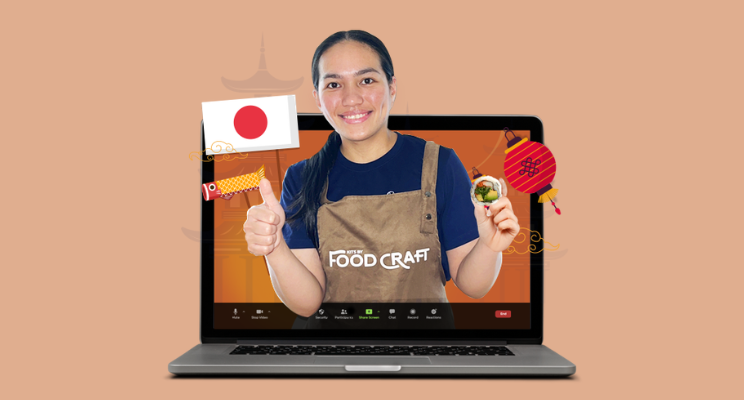
You don't have to wait for a private team event to experience the Food Craft approach.
Kits by Food Craft hosts free Crafter Community Events featuring food, drinks, crafts, and cultural experiences. The virtual workshops are open to participants worldwide, making them an easy way to try an experience before bringing something similar to your team.
You can check out the upcoming free workshops here and explore the available experiences.
Missed a workshop? You can also explore what happened in our past community events to get a better feel for what these experiences are like.
Ready to bring matcha to your next team gathering? Give your team something a little different from the usual happy hour. With Matcha, Whisk & Charm, participants can explore matcha preparation, make their own latte, and create a personalized bamboo whisk charm together. If you're planning a virtual, hybrid, or on-site team event, booking early gives your team more flexibility to find a date that works for everyone.

At Kits by Food Craft, we provide innovative and engaging virtual teambuilding experiences. We've helped over 1000+ dream teams globally foster stronger connections and boost morale through our unique virtual events.
As an AAPI woman-owned small business, Kits by Food Craft is passionate about promoting cultural awareness and diversity through food, drink, and craft experiences. We believe that shared experiences bring people together, making workplace celebrations more meaningful and inclusive. Learn more about our story here.
Get Started Today:
Schedule Free Event Planning: Let’s create a custom experience tailored to your team’s interests.
Explore Other Virtual Events: Discover more ideas and if you can't find what you are looking for, contact us!
Subscribe to Crafter Club: Subscribe to consistent, diverse and budget-friendly virtual events with kits delivered. Claim your $200 onboarding credit!


Comments