
WHY FOOD-BASED TEAM BUILDING ACTIVITIES CREATE BETTER EMPLOYEE CONNECTIONS

Discover why food team building activities make employee connection feel more natural, engaging, and memorable for remote, hybrid, and in-person teams.

A team meeting can end with everyone saying, “Great discussion,” only for the group to return to their screens and disappear into their own work.
That is the challenge with workplace connection today. Employees may collaborate every day without actually getting to know the people they work with.
For HR and People & Culture leaders, this makes team building more important but also more difficult to get right. A forced networking exercise or another highly competitive corporate game may not appeal to everyone, especially when employees are already tired of activities that feel more like an obligation than a break.
The answer may be simpler than another elaborate team building challenge: give people something good to make together.
Food team building activities create a shared experience without putting employees on the spot. Instead of asking people to “connect,” the activity gives them a reason to talk, collaborate, create, and enjoy the moment together.
Research from the American Psychological Association also highlights the importance of creating opportunities for connection and community at work, particularly as remote and hybrid work can reduce some of the informal interactions employees once had naturally.
Why Food Team Building Activities Work When Traditional Team Building Falls Flat

Picture this scenario:
Your team is making dumplings. Someone asks how another person folds theirs. Someone's first attempt comes out slightly crooked, and suddenly everyone is laughing.
The difference? Nobody had to manufacture the conversation.
That is what makes food-based team building so effective. The food becomes the shared focus, while connection happens naturally around it.
For HR leaders, this can be especially valuable because effective team building is less about choosing the most impressive activity and more about creating opportunities for employees to interact meaningfully. SHRM similarly emphasizes that well-designed team building experiences should support relationships and collaboration rather than simply fill space on the company calendar.
Food Gives People Something to Talk About

Not everyone is comfortable walking into a room and immediately making small talk. Food gives employees an easy starting point.
They can talk about:
Their favorite flavors
Family recipes
Cooking experiences
Ingredients they have never tried
How they are decorating or preparing their food
What they would add or change
Even a simple question like, “What are you putting on yours?” can start a conversation.
And because almost everyone has some kind of relationship with food, the conversation can move beyond work surprisingly quickly. A favorite dish can become a story about someone's hometown, culture, family, or travel experience.
That is where a simple cooking or food activity can become more than just a meal. It can become a cultural experience that helps coworkers discover something new about one another.
Hands-On Activities Create Low-Stakes Collaboration

Food team building activities naturally create small moments that require interaction. Employees might compare techniques, share ingredients, recommend toppings, troubleshoot a recipe, or help someone figure out the next step.
This is one reason hands-on experiences can feel more natural than activities built entirely around discussion. Employees are doing something while they connect.
It Can Feel Less Like “Mandatory Fun”

“Mandatory fun” has become a familiar phrase for a reason. When employees feel that they are being asked to socialize simply because it is on the company calendar, even a well-intentioned event can fall flat.
Compare:
Traditional approach: “Today we're going to do an activity to improve teamwork.”
Food-based approach: “Today we're going to make something together.”
The second feels less like a workplace exercise and more like an experience. That distinction matters. Workplace relationships benefit from genuine opportunities to connect, and the APA recommends creating structured opportunities for social connection rather than leaving connection entirely to chance.
What Makes a Food-Based Team Building Activity Actually Effective?
Not every food activity automatically creates connection.
The best experiences are designed around participation, conversation, creativity, and ease.
1. It Should Be Easy to Participate In
You should not need to be a chef to enjoy a team cooking activity.
Look for experiences with:
Clear instructions
Simple preparation
Minimal specialized equipment
Different ways to participate
Activities that work for varying skill levels
The goal is not to see who can cook the best. It is to give everyone an easy way to participate.
2. It Should Leave Room for Conversation
An activity that requires everyone's attention every second can actually limit connection.
Look for food team building activities with:
natural pauses
simple preparation steps
Customization
time to compare results
The best moments may happen between the instructions when someone asks a question, shares a story, or notices what another person is making.
3. It Should Allow Creativity Without Requiring Artistic Talent
Creativity makes an activity feel personal, but employees should not feel like they are being graded on the final product.
Cookie Decorating is a great example.
Employees can create their own designs without worrying about getting the “right” answer. That makes it a natural team bonding activity for office celebrations, seasonal events, and casual employee gatherings. With gluten-free and vegan options available, it can also be adapted to accommodate more participants.
4. It Should Be Flexible and Inclusive
Before choosing a food-based team building experience, consider what your employees actually need to participate comfortably.
Think about:
Food allergies
Dietary restrictions
Vegetarian and vegan options
Religious dietary considerations
Alcohol-free participation
Physical accessibility
Remote participation
Different cooking environments
Inclusivity should be considered during planning, not as an afterthought.
5. It Should Be Easy to Clean Up
Nobody wants the final 20 minutes of a team event to become a cleanup operation.
Choose activities that:
Use manageable ingredients
Straightforward preparation
Minimal equipment
A simple cleanup process means more time can be spent talking, tasting, and enjoying the experience.
Which Food Team Building Activity Is Right for Your Team?
The best food team building activity isn't necessarily the most elaborate one. It is the one that fits your team's personality, energy, and goals.
Whether your employees want to get creative, try something new, or simply enjoy good food together, there is an experience for them.
“We Want Something Everyone Can Enjoy.”
Try: Pizza Making Party

Pizza is an easy crowd-pleaser and making it from scratch makes it even more interactive.
Teams can prepare quick-rise dough, make a simple tomato sauce, stretch their dough, and build their own pizzas while learning about the history and regional styles of this iconic dish.
Why it works: Familiar food + hands-on cooking + plenty to talk about. Teams can compare toppings, debate pizza styles, and share their own favorites without the pressure of a structured icebreaker.
“We Want Something Playful and Relaxed.”
Try: Churro Making

Churros bring a little sweetness and a lot of fun to team bonding. Employees learn how to pipe, fry, and coat churros in cinnamon sugar, then pair them with chocolate and caramel dipping sauces. The experience also includes Hot Chocolate Horchata and explores the cultural roots of churros across Spain and Latin America.
Why it works: It is beginner-friendly, familiar, and easygoing. There is plenty of room for conversation while everyone creates and, of course, tastes their churros.
Get a glimpse of what happens in this Churro event!
“We Want Something Creative and Unexpected.”
Try: Hummus Wreath

Who says team building has to involve dessert? With a Hummus Wreath experience, employees turn beet sesame hummus into a colorful, shareable centerpiece using simple plating and styling techniques.
Why it works: It combines food, creativity, and cultural inspiration without requiring advanced cooking skills. Plus, the vegan-friendly format makes it an easy option for diverse teams. Curios about this experience? Watch this Hummus Making free event here!
“We Want to Explore Global Flavors.”

Give your team a taste of the Middle East. In this guided, hands-on experience, employees create indulgent truffles using figs, honey, pistachios, cardamom, and aromatic spices while learning about the cultural significance behind these ingredients.
Why it works: It goes beyond cooking. Employees get to discover new flavors, hear the stories behind them, and share the experience of creating something unfamiliar together. It is a great fit for teams looking for a cultural experience with a creative twist.
“We Love Bold Flavors and Experimenting.”

For teams that like to play with flavor, this one brings plenty to the table. Employees build a fragrant chili garlic oil with aromatics and spices, then combine it with noodles and a creamy sun butter finish. Everyone can experiment with heat, toppings, and flavor combinations.
Why it works: Customization gives people something to compare, debate, and laugh about. And “How spicy can you handle it?” is a much easier conversation starter than “Tell us something interesting about yourself.”
“We Want Something Hands-On and Collaborative.”
Try: Crispy Dumplings

Dumpling making naturally gets people involved. Employees prepare a flavorful filling, learn how to wrap dumplings with rice paper, and pan-fry them until golden. Along the way, they can practice techniques, compare folds, and help each other out.
Why it works: Everyone is learning and creating at the same time. It turns collaboration into something employees actually do rather than something they're asked to discuss.
“We Want to Get Creative Together.”
Try: Cookie Decorating
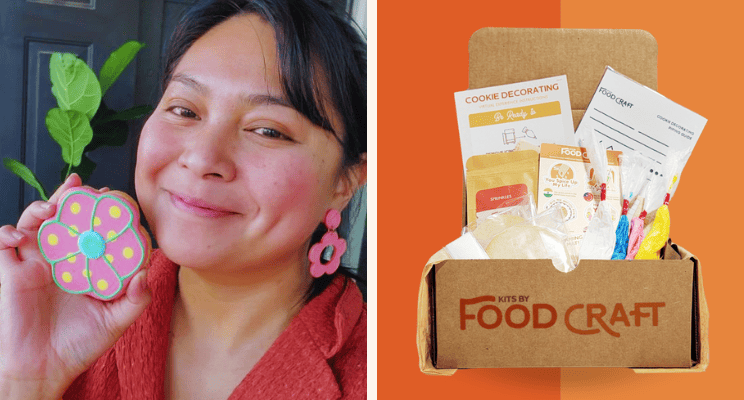
Sometimes, the best team-building activity is simply one that lets people play. With a Virtual Cookie Decorating experience, employees receive baked vanilla cookies, icing, sprinkles, and everything they need to create their own designs. They can learn techniques like marbling and wet-on-wet decorating while following along with an instructor.
Why it works: There is no “right” cookie. Employees can experiment, show off their designs, and have fun without needing to be artistic or competitive. And because kits can be delivered directly to participants, it is an especially easy fit for virtual team building activities and remote teams.
How to Plan a Food Team Building Event Employees Will Actually Want to Attend
Start With the Team, Not the Trend
Before choosing an activity, ask a more important question: What does this team actually enjoy?
Consider whether your employees prefer:
Creative or competitive activities
Relaxed social experiences
Hands-on projects
Cultural experiences
Food and drink experiences
Short activities rather than lengthy events
Also think about the purpose. Are you trying to welcome new employees? Celebrate a milestone? Show appreciation? Encourage cross-team interaction?
The objective should influence the activity not the other way around. Here’s another resource for an in-depth discussion on how to plan your next impactful team building events.
Think About Remote, Hybrid, and On-Site Logistics
Food team building can work across different work environments, but the experience needs to be designed accordingly.
For remote teams: Consider ingredient kits, shipping timelines, kitchen equipment, and whether employees can comfortably prepare the activity at home.
For hybrid teams: Make sure remote employees are not simply watching the in-person group participate. The activity should give everyone an equally meaningful role.
For on-site teams: Consider workspace, food safety, equipment, ventilation, and cleanup before the event begins. The logistics should support the experience, not become the experience.
Plan for Dietary Needs Before the Event
Collect dietary and accessibility information in advance. Ask employees about:
Allergies
Dietary restrictions
Ingredient concerns
Accessibility needs
This gives organizers time to make appropriate adjustments and helps employees feel considered before they even arrive.
Don't Over-Program the Experience
You do not need to fill every minute. Build in time for:
Preparation
Conversation
Tasting
Informal interaction
An optional challenge or activity
The goal is not to squeeze as many activities as possible into one event. It is to create enough space for people to actually connect.
Give Employees a Reason to Connect
Not every team needs another forced networking exercise, competitive corporate game, or complicated team-building challenge.
Sometimes, connection starts with something much simpler. Make something together.
Food team building activities give employees a shared task, natural conversation starters, and an experience they can remember after the event ends. They can make collaboration feel less forced, encourage creativity, and work across remote, hybrid, and on-site environments.
And the best part? Employees do not have to be told to connect.
Give them something to make, taste, customize, enjoy and connection has a chance to happen naturally.
For HR and People & Culture leaders, that is the real value of food-based team building: the food may be what brings everyone to the table, but the shared experience is what helps bring the team closer.
Planning a fall, holiday, or corporate team event? Start early. Seasonal corporate
events can fill up quickly, particularly when teams are looking for experiences that are interactive, inclusive, and available for different team formats. Explore our food-based team building experiences and book your next team event early. Plan your team experience with us today!

At Kits by Food Craft, we provide innovative and engaging virtual teambuilding experiences. We've helped over 1000+ dream teams globally foster stronger connections and boost morale through our unique virtual events.
As an AAPI woman-owned small business, Kits by Food Craft is passionate about promoting cultural awareness and diversity through food, drink, and craft experiences. We believe that shared experiences bring people together, making workplace celebrations more meaningful and inclusive. Learn more about our story here.
Get Started Today:
Schedule Free Event Planning: Let’s create a custom experience tailored to your team’s interests.
Explore Other Virtual Events: Discover more ideas and if you can't find what you are looking for, contact us!
Subscribe to Crafter Club: Subscribe to consistent, diverse and budget-friendly virtual events with kits delivered. Claim your $ onboarding credit!



cooking & chatting? great combo!